What Is Dogecoin (DOGE) and How Does It Work?
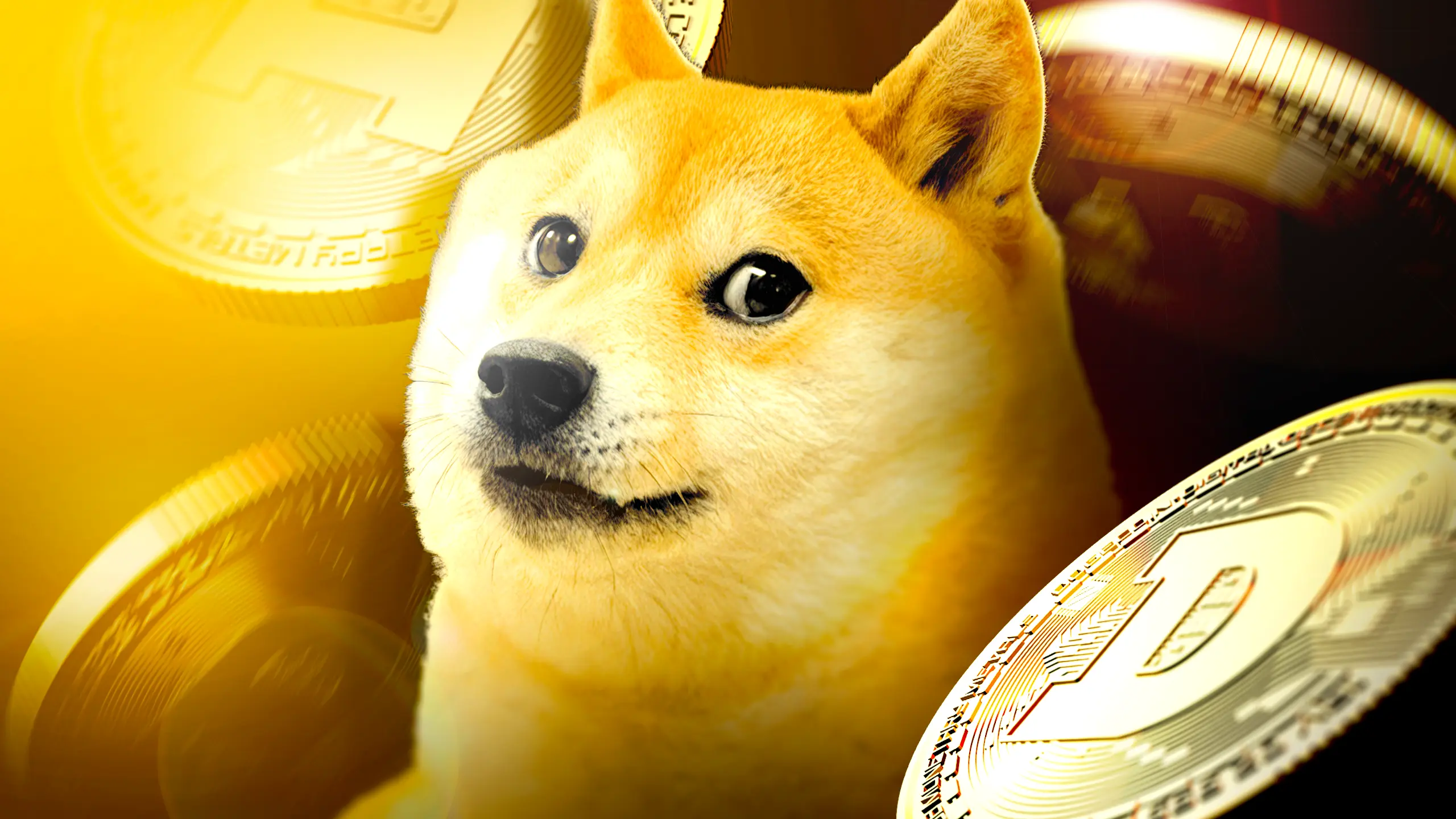
Dogecoin (DOGE) is a cryptocurrency that started in 2013 as a humorous alternative to Bitcoin. What began as an internet meme has become one of the most recognizable names in crypto, known today for fast, low-fee transactions and one of the most active communities in the market.
Unlike many other cryptocurrencies, Dogecoin never set out to build a complex blockchain ecosystem — and that's exactly what makes DOGE appealing to beginners. It feels more accessible, simpler, and less technical than most projects. At the same time, Dogecoin is far more than a joke: it runs on its own working blockchain and is traded, transferred, and discussed daily across the crypto community. If you're new to using coins like DOGE for entertainment, our beginner's guide to crypto gaming and betting is a good place to start.
To understand what Dogecoin is, it helps to look at where it came from, how it works, and what it's used for. That quickly makes clear why DOGE still holds a special place among cryptocurrencies today.
Dogecoin Explained Simply
Dogecoin is a decentralized digital currency that runs on its own blockchain. You can send, receive, and store DOGE without a traditional bank. Every transaction is verified by the network and permanently recorded on the blockchain.
DOGE launched in December 2013 and was deliberately positioned as a lighter, friendlier alternative to Bitcoin. The famous Shiba Inu mascot made the coin instantly recognizable. Behind the meme, though, Dogecoin is a functioning open-source system that processes real transactions.
For many users, Dogecoin's appeal comes down to three things: low fees, fast transfers, and a highly active community. That combination makes DOGE relevant for crypto beginners and experienced users alike.
How Did Dogecoin Originate?
Dogecoin was created by software engineers Billy Markus and Jackson Palmer, who wanted a cryptocurrency that felt less serious than Bitcoin and connected more directly to internet culture. From day one, Dogecoin prioritized humor, recognizability, and community over a sober brand image.
That combination earned DOGE early attention. While other coins competed on technical or financial arguments, Dogecoin became known for its brand and online presence. Over time, it grew into a project that far outlasted its meme origins.
Dogecoin's early popularity was driven by social media, forums, and a dedicated user base — reach that helped it become one of the most recognizable names in crypto.
How Does Dogecoin Work?
Dogecoin uses a blockchain to confirm and store transactions. When someone sends DOGE, the amount moves from one wallet to another; the network verifies the transaction and adds it to the blockchain.
Technically, Dogecoin runs on a Proof-of-Work system using the Scrypt algorithm, meaning new blocks are secured through computing power in a process called mining. Blocks are produced roughly every minute, which is why DOGE transfers typically confirm faster than Bitcoin's.
For everyday users, the practical flow is simple: set up a wallet, send or receive DOGE, and track the transfer on the blockchain. Compared to more complex crypto projects, that simplicity is a big part of Dogecoin's appeal.
The Most Important Features of Dogecoin
Feature | Description |
Ticker | DOGE |
Launched | December 2013 |
Type | Cryptocurrency |
Network | Its own blockchain (Scrypt Proof-of-Work) |
Function | Send, receive, store |
Supply | No fixed maximum supply |
Special trait | Meme origin with a strong community |
Transactions | Fast confirmations, typically low fees |
These features show why Dogecoin occupies a unique position in the crypto space. DOGE is known not only for its name, but for how easy it is to use.
What Distinguishes Dogecoin from Bitcoin?
Dogecoin and Bitcoin are often compared, even though they play different roles. Bitcoin is widely treated as a digital store of value with a hard cap of 21 million coins. Dogecoin has no maximum supply and positions itself as a lighter, community-driven currency for everyday transfers.
The brand image differs too. Bitcoin is associated with scarcity, security, and long-term market position. Dogecoin is shaped by internet culture, virality, and public attention — which is exactly why many users find DOGE easier to grasp.
Perception follows the same split: Bitcoin is generally considered the best-known crypto asset overall, while Dogecoin sits among the most popular altcoins, with a strong community and prominent market presence.
Advantages and Potential Weaknesses of DOGE
Advantages of Dogecoin
Dogecoin's main strengths are popularity and simplicity. Many users find DOGE easier to understand than technically complex coins, and its constant visibility on social media keeps it in the conversation.
The community is another genuine asset. Dogecoin thrives on its network of supporters, which means the coin receives regular attention and rarely fades from view.
Potential Weaknesses of Dogecoin
Dogecoin is heavily influenced by sentiment, trends, and online dynamics, which can make its price and public perception highly volatile. Popularity does not guarantee stability, and DOGE's value can swing sharply in short periods.
Functionally, Dogecoin is also leaner than many newer projects. While other blockchains build ecosystems with smart contracts and DeFi applications, DOGE's core functionality remains deliberately simple.
How to Use Dogecoin on Shuffle
Using DOGE on Shuffle is straightforward: it's one of the supported deposit currencies alongside BTC, ETH, LTC, SOL, USDT, and many more — you can see the full list in our guide to what cryptocurrencies Shuffle offers. Dogecoin's fast confirmations and low network fees make it a practical choice for funding a balance, and one wallet covers the sportsbook, Originals, and casino across desktop, tablet, and phone.
If you're ready to try it, our step-by-step guide on how to deposit and withdraw on Shuffle walks through the process, including how to pick the right network before sending anything.
One thing to keep in mind: because DOGE's price moves with market sentiment, the real-world value of your balance can change even when the coin amount doesn't. Play with amounts you're comfortable with.
Who Is Dogecoin Interesting For?
Dogecoin suits anyone who wants to learn about a well-known, easy-to-understand cryptocurrency. Its instantly recognizable brand and simple core concept make it a natural entry point.
Users interested in popular coins with strong online communities come across DOGE almost automatically — it has far more media visibility than most lesser-known projects.
That said, anyone going deeper into crypto shouldn't look at DOGE in isolation. It's always worth comparing Dogecoin to Bitcoin, Ethereum, Solana, and other established coins.
Why Did Dogecoin Become So Famous?
Dogecoin's success is closely tied to pop culture. From the start, the coin was easy to share, instantly recognizable, and easy to remember — a real advantage in an industry full of technically strong projects that are hard to communicate.
Social media reach amplified that. Whenever Dogecoin trends online, the topic spreads quickly, and that dynamic has repeatedly brought DOGE fresh waves of attention.
This is the key difference from many other cryptocurrencies: Dogecoin isn't just a coin. It's a brand with high recognition value.
Dogecoin at a Glance
Question | Short Answer |
What is Dogecoin? | A well-known cryptocurrency with meme origins |
What does DOGE stand for? | The Dogecoin ticker symbol |
When did Dogecoin launch? | December 2013 |
Is DOGE a real cryptocurrency? | Yes — DOGE runs on its own blockchain |
Why is DOGE popular? | Community, brand, and online reach |
Is Dogecoin easy to understand? | Yes, compared to most coins |
Why Dogecoin Remains Relevant
Many crypto projects fade quickly from view. Dogecoin isn't one of them. The coin stays present because it combines something rare: recognition, community, and a simple brand message.
In a market flooded with new tokens, DOGE stands out through sheer familiarity — many people know Dogecoin even with only a surface-level understanding of crypto. That constant visibility keeps Dogecoin a fixture in crypto guides, comparisons, and beginner articles, and keeps the question "What is Dogecoin?" relevant.
Dogecoin, Briefly Explained
Dogecoin is more than an internet meme. It has established itself as a well-known cryptocurrency defined by its community, accessibility, and visibility. DOGE is technically simpler than many projects — and that's precisely what makes it easy to understand.
Anyone getting a first overview of cryptocurrencies can hardly ignore Dogecoin. The coin shows just how strongly community and brand can shape the crypto market, which is why DOGE remains an interesting topic for beginners and enthusiasts alike.
FAQ: What Is Dogecoin (DOGE)?
What is Dogecoin in simple terms?
Dogecoin is a digital currency that operates on its own blockchain. Users can send, receive, and store DOGE without needing a traditional bank.
What does DOGE stand for?
DOGE is the official ticker symbol for Dogecoin. It's how the coin appears on exchanges, in wallets, and in price charts.
Is Dogecoin just a meme?
Dogecoin started as a meme coin, but today it's a real cryptocurrency with its own blockchain and wide popularity in the crypto market.
What makes Dogecoin special?
Dogecoin is known for its strong community, instant recognition, fast low-fee transactions, and how easy it is to understand.
When was Dogecoin created?
Dogecoin launched in December 2013, making it one of the older and best-known cryptocurrencies outside of Bitcoin.
Is Dogecoin easy for beginners to understand?
Yes. Because Dogecoin is less technical than many other projects, it's well suited as an entry point into cryptocurrencies.
Can I use Dogecoin on Shuffle?
Yes. DOGE is a supported currency on Shuffle for deposits and withdrawals. Always confirm the current coin and network list in your Shuffle wallet before sending.
Cryptocurrency values can rise and fall quickly, and all casino and sportsbook outcomes are based on chance. Play responsibly, use tools like loss limits and wager limits to stay in control, and seek support if gambling stops being fun. 18+.